
English
Views: 147 Author: Site Editor Publish Time: 2026-07-27 Origin: Site


Investing in high-quality nutritional support is only the first step; the actual return on investment depends entirely on physiological absorption and correct administration. Many users inadvertently sabotage their supplement efficacy through improper timing, incorrect dietary pairings, or inconsistent dosing, leading to wasted product and suboptimal results. Simply swallowing a capsule or drinking a powder mixture does not guarantee that your body will utilize the active ingredients. The gastrointestinal tract is a complex chemical environment, and introducing nutrients at the wrong time or with the wrong foods severely limits their bioavailability. This guide provides an evidence-based framework for administering your daily regimen, detailing exact protocols for timing, format-specific handling, and mitigating common absorption blockers. By understanding the mechanics of digestion, gastric transit times, and nutrient uptake, you can ensure that every dose delivers maximum value to your cellular health and structural tissues.
Timing Dictates Bioavailability: Aligning your supplement intake with specific digestive states (fasted vs. fed) significantly alters nutrient uptake and gastrointestinal tolerance.
Format-Specific Protocols: Duozi liquid supplements and Duozi collagen powder require different handling regarding temperature, mixing agents, and storage to maintain structural integrity.
Beware of Antagonists: Common morning beverages like coffee, tea, and milk contain elements (tannins, polyphenols, and calcium) that can inhibit the absorption of key active ingredients.
Strategic Sequencing: Stacking your daily Duozi supplement in the correct order with other vitamins (like probiotics and Omega-3s) maximizes overall routine efficacy.
Consistency Outperforms Perfection: Establishing a sustainable, scalable daily habit yields better long-term outcomes than sporadic adherence to a mathematically perfect schedule.
Bioavailability serves as the ultimate metric of supplement success. It measures the exact percentage of an ingested compound that successfully crosses the intestinal wall and enters systemic circulation. If an active ingredient passes through the gastrointestinal tract without being absorbed, it provides zero physiological benefit. Optimizing bioavailability requires matching the specific chemical nature of the nutrient with the correct digestive environment. Factors such as stomach pH, the presence of digestive enzymes, and concurrent food intake all dictate whether a nutrient is utilized or excreted.
The human digestive system operates under entirely different parameters depending on recent food intake. In a fasted state, typically defined as first thing in the morning or three hours after a meal, gastric acid production is relatively low, and gastric emptying occurs rapidly. This environment is ideal for water-soluble nutrients that degrade quickly in high-acid environments. Rapid transit ensures these compounds reach the small intestine, the primary site of absorption, without prolonged exposure to stomach acid.
Conversely, a fed state triggers robust stomach acid release, bile production from the liver, and the secretion of pancreatic enzymes. Fat-soluble components require dietary fat to stimulate bile release, which emulsifies the nutrients for transport across the intestinal membrane. Taking fat-soluble compounds on an empty stomach results in poor absorption, making a fed state mandatory for their utilization.
Digestive State | Gastric Environment | Transit Time | Ideal Nutrient Types |
|---|---|---|---|
Fasted (Empty Stomach) | Low acid, resting pH | Rapid (20-30 minutes) | Water-soluble vitamins, peptides, probiotics |
Fed (With Food) | High acid, active enzymes, bile present | Slow (2-4 hours) | Fat-soluble vitamins (A, D, E, K), Omega-3s |
The immediate wake-up window leverages an empty stomach for rapid transit. Taking specific water-soluble nutrients the second you roll out of bed ensures they move swiftly into the small intestine without getting trapped in digesting food mass. This protocol minimizes the risk of nutrient degradation. Contrast this with mid-day or evening fed-state protocols, which are designed to minimize gastric irritation and enhance the absorption of fat-soluble compounds. Choosing the right window depends entirely on the active ingredients in your specific formula.
For users taking multiple supplements, establishing a timeline hierarchy prevents nutrient competition and maximizes uptake. Follow this sequencing protocol to structure your morning:
First Contact (Empty Stomach): Take probiotics and targeted water-soluble formulas immediately upon waking with a glass of room-temperature water.
Active Absorption Window: Consume your baseline Duozi supplement during this primary morning phase, ensuring it does not compete with heavy meals or antagonist beverages.
With-Food Stack: Reserve multivitamins and heavy fat-soluble compounds like Omega-3 fish oils for consumption during or immediately after a nutrient-dense meal containing healthy fats.
Cellular uptake and metabolic processing fluctuate with your circadian rhythm. Morning administration generally aligns with the body's natural metabolic peak, facilitating rapid distribution of energy-supporting and structural nutrients. Evening administration is better suited for restorative compounds that support overnight tissue repair, muscle recovery, and cellular regeneration during the sleep cycle.
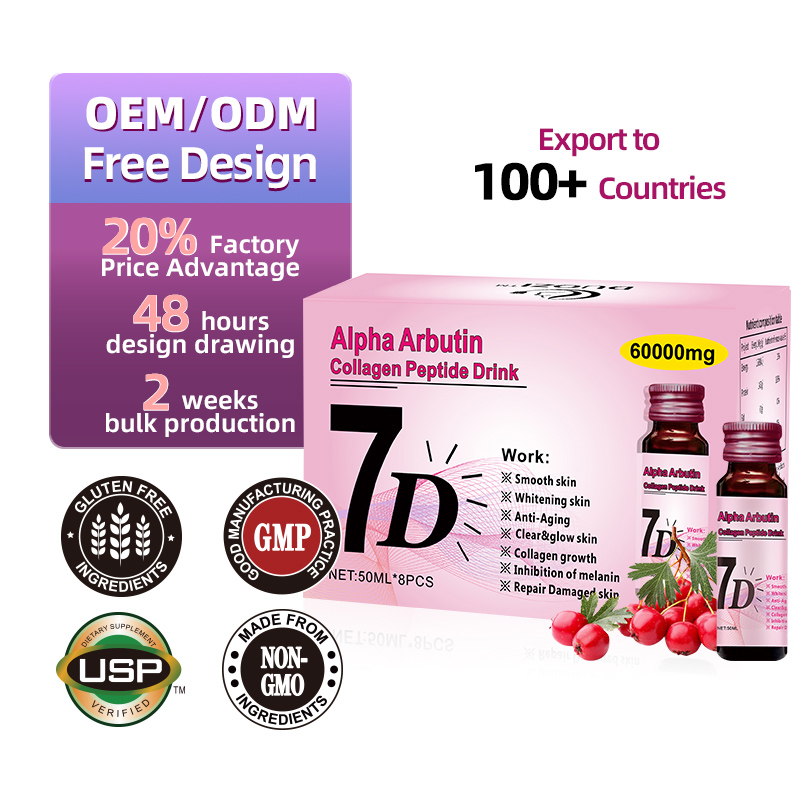
Liquid suspensions bypass the mechanical breakdown phase required by traditional pills and capsules. This eliminates pill fatigue and the burden of swallowing multiple large capsules daily. Because the active ingredients are already dissolved in a solution, the body can begin absorption almost immediately upon ingestion, bypassing the time required for a capsule shell to dissolve in stomach acid.
To maximize the efficacy of Duozi liquid supplements, adhere to strict administration rules. Always shake the bottle vigorously before use to ensure even distribution of suspended particles. Use precise measurement tools rather than estimating dosage. Pay close attention to temperature constraints; many liquid formulas require refrigeration post-opening to prevent oxidation and maintain potency. When pairing liquids, you can consume them directly or dilute them in a small amount of room-temperature water or cold-pressed juice.
Powders offer excellent scalability and compliance, allowing users to integrate therapeutic doses into existing dietary habits easily. Tracking physical serving sizes is straightforward with the provided scoops, ensuring accurate daily intake without swallowing massive pills. Powders also allow for micro-dosing or split-dosing throughout the day.
Solubility and temperature play critical roles in preserving peptide integrity. Mixing Duozi collagen powder with boiling liquids can compromise the delicate amino acid profile, leading to thermal degradation. Always opt for room-temperature water, cold-pressed juices, or blended smoothies. These mixing agents serve as optimal vehicles that facilitate smooth blending without interfering with peptide absorption or altering the chemical structure of the nutrients.
Certain compounds actively facilitate the uptake of specific nutrients. The biochemical relationship between Vitamin C and collagen synthesis is a prime example. Vitamin C acts as a mandatory cofactor for the enzymes responsible for stabilizing collagen molecules. Consuming high-potency food pairings like amla berry extract, citrus fruits, or organic orange juice concurrently with your regimen actively enhances structural protein synthesis and overall bioavailability.
Everyday morning beverages often act as severe absorption blockers. The polyphenols and tannins found in coffee and tea bind to active compounds, neutralizing their effectiveness and accelerating their excretion. Similarly, the calcium and caseins in dairy milk block competing absorption pathways, drastically reducing the bioavailability of essential amino acids and trace minerals.
Establish a strict ban on co-ingesting your nutritional formulas with coffee, black tea, green tea, or milk. To mitigate interference, implement a mandatory time buffer. Wait a minimum of 60 to 90 minutes between consuming these antagonist beverages and taking your daily dose. This allows the supplement to clear the stomach and enter the small intestine before the blocking agents are introduced.
Introducing new active ingredients on an empty stomach can occasionally trigger nausea or mild upset stomach. If you experience gastrointestinal discomfort, utilize a step-down protocol. Transition from a strictly fasted state to a light-snack pairing. Consuming a small piece of fruit, like a banana, or a handful of almonds provides just enough gastric buffering to build tolerance without sacrificing baseline bioavailability.
Switching from single-pill options to complete therapeutic doses can overwhelm some users. If the volume feels unmanageable, employ micro-dosing or split-dosing strategies. Divide your total daily requirement into two smaller servings taken at different times of the day. This approach maintains steady blood serum levels while reducing the immediate digestive burden.
Shift workers and frequent travelers often struggle with rigid timing protocols. When evaluating the trade-off between taking a dose at a suboptimal time versus missing it entirely, always choose ingestion. Consistency outweighs perfect timing. If your schedule shifts, simply maintain the empty-stomach or with-food rules relative to your new waking hours to maintain baseline compliance.
Dispel the myth of immediate, overnight results. Biological turnover rates dictate how quickly you will notice physical changes. Skin, hair, and joint tissues typically require 8 to 12 weeks of consistent nutritional support before exhibiting structural improvements. Set accurate expectations and commit to the process for at least a full quarter before evaluating efficacy.
Identify specific baseline markers before starting your regimen. Document joint mobility, skin hydration levels, hair shedding rates, and daily energy levels. Utilize a 30-day, 60-day, and 90-day evaluation framework to assess progress. Comparing these objective and subjective metrics against your baseline will clearly indicate whether your current administration protocol is yielding the desired physiological outcomes.
Audit your current morning routine to identify and eliminate immediate absorption blockers like coffee or dairy milk.
Establish a strict 60 to 90-minute buffer between your supplement intake and any antagonist beverages.
Reorganize your supplement stack, placing water-soluble formulas first thing in the morning and fat-soluble vitamins with meals.
Commit to a 90-day tracking framework, recording baseline metrics for skin, hair, and joint health to accurately measure progress.
A: Yes, taking it on an empty stomach is generally optimal for rapid absorption, especially for water-soluble components. If you experience mild nausea, pair it with a very light snack like a banana to buffer the stomach without severely impacting bioavailability.
A: You must wait a minimum of 60 to 90 minutes. Coffee contains tannins and milk contains calcium, both of which bind to active ingredients and block their absorption in the gastrointestinal tract.
A: The optimal time is immediately upon waking. This leverages the fasted state for rapid transit and maximum cellular uptake before heavier meals initiate complex digestive processes.
A: No. High temperatures can cause thermal degradation of delicate amino acid profiles and active peptides. Always mix powders or liquids with room-temperature water, cold-pressed juice, or smoothies.
A: Implement a step-down protocol. Instead of taking it completely fasted, consume it with a small amount of easily digestible food, such as a handful of almonds, to reduce gastric irritation while maintaining absorption.
A: Missing a single day will not ruin your progress, but consistency is the most critical factor for long-term success. Establish a sustainable daily habit rather than striving for sporadic perfection.
A: Yes, but sequence them correctly. Take water-soluble formulas and probiotics on an empty stomach, and reserve heavy fat-soluble vitamins and fish oils for later in the day with a nutrient-dense meal.


