
English
Views: 175 Author: Site Editor Publish Time: 2026-07-20 Origin: Site


Duozi offers a broad selection of products in multiple formats, giving buyers, distributors, and brand owners more flexibility when planning their product portfolios. The available categories include liquid products, drops, powders, capsules, softgels, standard tablets, effervescent tablets, and gummies.
Each format has its own characteristics in terms of appearance, packaging, serving size, storage, and user experience. Understanding these differences can help businesses select a format that fits their target audience, market positioning, and distribution requirements.
This guide provides a clear overview of the Duozi product range, explains the main features of each format, and highlights practical factors to consider when comparing product options.
Multiple Product Formats: Duozi offers liquids, drops, powders, capsules, softgels, tablets, effervescent tablets, and gummies.
Flexible Packaging Options: Different formats can be paired with bottles, sachets, tubes, jars, or individual packs.
Different User Experiences: Buyers can choose between swallowable, chewable, mixable, or ready-to-use formats.
Category-Based Selection: Product format can be selected according to serving size, flavor requirements, portability, and target market preferences.
The Duozi company presents products in several commonly used delivery formats. Instead of limiting its catalog to a single product type, the company provides options suitable for different packaging concepts, serving preferences, and retail channels.
For example, a buyer developing a convenient daily-use product may prefer gummies or tablets. A brand focused on drink-mix products may be more interested in powders or effervescent formats. Liquids and drops may be selected for products that require adjustable serving amounts or straightforward use.
When evaluating a Duozi product, buyers should consider more than the basic format. Important details may include container type, unit size, flavor profile, ingredient compatibility, label space, shipping conditions, and minimum order requirements.
The official Duozi company website can be used to review the main product categories and compare the formats currently displayed in the catalog.
Liquid supplements are supplied in a ready-to-use liquid form. Depending on the product concept, they may be packaged in bottles, individual containers, or other portable formats.
Liquid products can be suitable for consumers who prefer not to use tablets or capsules. They can also accommodate different flavors, colors, and serving instructions, giving brands more room to create a distinctive product presentation.
Packaging is an important consideration for liquid products. Buyers should review bottle material, cap design, sealing method, label area, storage instructions, and transportation requirements before confirming an order.
Drops are another liquid-based option. They are commonly packaged in small bottles with a dropper or controlled-dispensing cap.
This format offers a compact appearance and allows serving instructions to be presented in drops or measured liquid amounts. It may be suitable for travel-friendly products, focused product lines, and brands seeking a simple daily-use format.
Powders are a flexible option for products designed to be mixed with water or another beverage. They can be packaged in jars, tubs, pouches, or individual sachets.
One advantage of powder products is their ability to accommodate larger serving volumes than many single-unit formats. This makes powders a practical choice when the product concept requires multiple ingredients or a more substantial serving size.
Powder products also provide flexibility in flavor development. Brands may choose neutral, fruit-inspired, or other flavor profiles according to their target market. When comparing powder options, buyers should review mixability, texture, package sealing, moisture protection, and scoop or sachet specifications.
Capsules are widely used because they offer a clean appearance, consistent unit size, and convenient packaging. They are commonly supplied in bottles and can be produced in different capsule sizes.
Hard capsules are generally used for powder or granulated contents. Buyers can compare shell material, capsule size, fill amount, bottle count, and label design when developing a capsule-based product.
Softgels have a smooth, sealed outer shell and are commonly selected for oil-based or semi-liquid contents. Their appearance can help create a polished product presentation, particularly for brands seeking a traditional bottle format.
When comparing capsules and softgels, buyers should consider the type of contents, unit size, packaging requirements, storage conditions, and desired visual style.
The standard tablet format is compact, familiar, and suitable for efficient bottle packaging. Tablets can be produced in different shapes, sizes, and surface finishes depending on the product design.
Common options may include round tablets, oval tablets, coated tablets, and scored tablets. The most appropriate design depends on serving size, ingredient characteristics, branding goals, and packaging dimensions.
Tablets may be a practical option for buyers who want a straightforward format with a consistent number of units per bottle. They are also easy to count, package, store, and display.
Effervescent tablets are designed to dissolve in water before use. This creates a beverage-style format while retaining the convenience of a pre-measured tablet.
Effervescent products are often packaged in tubes or moisture-resistant individual packs. Packaging plays a particularly important role because the tablets need to remain dry during storage and transportation.
This format may appeal to consumers who enjoy flavored drinks or prefer an alternative to swallowing a standard tablet. Buyers can compare tablet size, dissolution time, flavor direction, tube capacity, and individual packaging options.
Both powders and effervescent tablet products are mixed with water, but they offer different user experiences.
Powders are commonly measured with a scoop or supplied in sachets. Effervescent tablets provide a fixed unit that can be placed directly into water. The preferred format depends on serving size, packaging style, portability, and brand positioning.
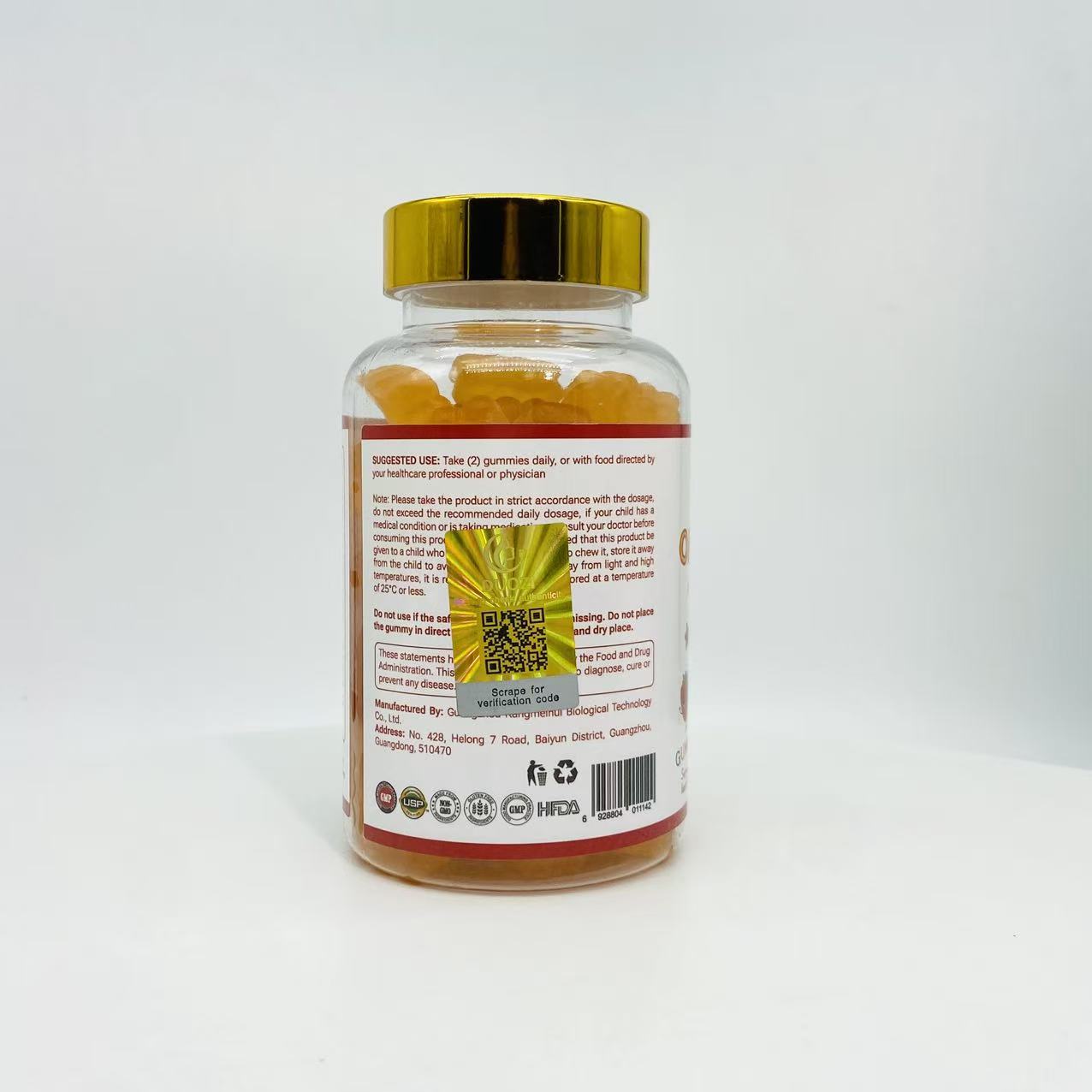
Gummies provide a chewable format with strong visual and flavor appeal. They can be produced in different shapes, colors, sizes, and flavor profiles.
Gummy products are often selected by brands seeking a more approachable and lifestyle-oriented presentation. Their appearance can also support creative packaging and social-media-friendly product photography.
Buyers should review the gummy base, texture, coating, flavor, unit weight, bottle count, and storage requirements. Packaging should help protect the product from heat, moisture, and sticking during transportation.
Gummies and tablets serve different product strategies. Gummies focus on flavor, appearance, and a chewable experience. Tablets focus on compact size, simple packaging, and a traditional presentation.
A brand targeting a lifestyle-focused retail channel may prefer gummy products. A business looking for a streamlined bottle format may select tablets instead.
Product Format | Typical Packaging | Main Characteristic | Key Selection Factor |
|---|---|---|---|
Liquids | Bottles or individual containers | Ready-to-use format | Bottle design and storage requirements |
Drops | Dropper bottles | Compact and easy to measure | Dropper accuracy and cap design |
Powders | Jars, pouches, tubs, or sachets | Suitable for drink-mix concepts | Mixability, flavor, and moisture protection |
Capsules | Bottles or blister packs | Clean and consistent unit format | Capsule size and shell material |
Softgels | Bottles or blister packs | Smooth, sealed appearance | Fill type and storage conditions |
Standard Tablets | Bottles or blister packs | Compact and familiar | Shape, size, coating, and unit count |
Effervescent Tablets | Tubes or individual packs | Dissolves in water | Flavor, dissolution, and moisture-resistant packaging |
Gummies | Bottles, jars, or pouches | Chewable and visually distinctive | Texture, flavor, shape, and storage |
Selecting the right format begins with a clear product brief. Buyers should define the intended audience, preferred serving method, packaging style, retail channel, price position, and expected order volume.
Different audiences may prefer different formats. Some consumers favor traditional tablets or capsules, while others prefer flavored powders, liquids, or gummies. Understanding purchasing habits can help narrow the available options.
Products with a larger serving volume may be better suited to powders or liquids. Products with smaller serving requirements may work well as capsules, softgels, or tablets.
Every format has different packaging needs. Liquids require secure sealing, powders require moisture protection, gummies need suitable temperature control, and effervescent tablets require packaging that helps keep them dry.
Product weight, container size, temperature exposure, and transportation distance can affect the final format decision. Buyers should review these practical factors before confirming packaging and order quantities.
Before placing an order, request the relevant product specifications, packaging information, sample options, production schedule, and commercial terms. Clear documentation helps ensure that both parties agree on the product requirements.
Which product formats are currently available?
What packaging options are offered for each format?
Can the flavor, shape, size, or appearance be adjusted?
What is the minimum order quantity?
What product specifications and supporting documents are available?
How should the finished product be stored and transported?
What is the expected production and delivery schedule?
Duozi offers products in a variety of formats, including liquids, drops, powders, capsules, softgels, tablets, effervescent tablets, and gummies. This broad product range gives buyers the flexibility to choose a format that matches their audience, packaging concept, distribution model, and brand positioning.
Liquids and drops provide a ready-to-use option. Powders and effervescent tablets create a beverage-style experience. Capsules, softgels, and tablets offer compact unit formats, while gummies provide a chewable and visually distinctive alternative.
The best option depends on the complete product plan rather than format alone. Buyers should compare serving size, packaging, flavor, storage, transportation, documentation, order quantity, and production requirements before making a final decision.
Duozi offers liquid products, drops, powders, capsules, softgels, standard tablets, effervescent tablets, and gummies. Availability may vary according to the current product catalog and project requirements.
Yes. Duozi displays liquid products and drops as part of its product range. These formats may be supplied in bottles or other suitable containers.
Yes. The product range includes standard tablets as well as effervescent tablets designed to dissolve in water.
Yes. Gummies are available as a chewable format and may be offered in different shapes, flavors, sizes, and packaging styles.
Powders are measured with a scoop or supplied in individual sachets before being mixed with water. Effervescent tablets are pre-formed units that dissolve directly in water.
The best format depends on the intended audience, serving size, packaging concept, storage conditions, transportation requirements, and preferred user experience.
Buyers should confirm product specifications, packaging options, minimum order quantity, sample availability, production schedule, storage instructions, and delivery terms before placing an order.


