
English
Views: 0 Author: Site Editor Publish Time: 2026-10-21 Origin: Site


The barrier to entry in the nutritional supplement market has never been lower, but the barrier to sustainable profitability remains high. The initial formulation strategy dictates the entire operational roadmap. Emerging and scaling brands must choose between leveraging pre-existing, tested formulas to accelerate market entry or investing capital into unique formulations to build defensible intellectual property (IP).
Founder experience plays a critical role in this decision. Novice founders often benefit from the safety of proven stock formulas, while industry veterans possess the operational bandwidth required to navigate complex custom product development. This guide breaks down the operational, financial, and regulatory considerations between private label and custom formulations, providing a framework for auditing and selecting the right manufacturing partner for your specific growth stage.
Capital vs Control Private labeling minimizes upfront capital and Minimum Order Quantities (MOQs), while custom manufacturing requires significant investment but grants full IP ownership.
Speed to Market Turnkey private label products can launch in weeks, whereas custom formulations typically require 3 to 6 months of testing, flavoring, and stability trials.
Format Complexity The choice of delivery format (capsules vs powders vs liquid supplements) drastically alters timelines, MOQs, and the viability of custom manufacturing.
Compliance is Non Negotiable Regardless of the formulation route, vetting partners for current Good Manufacturing Practice (cGMP) certification and third-party testing protocols is the primary risk-mitigation strategy.
Scalability The most effective manufacturing partners offer a hybrid approach, allowing brands to launch with stock private label formulas and transition to custom blends as order volumes increase.
Private labeling utilizes a manufacturer’s pre-existing, vetted stock formula and applies your brand’s custom labeling. The facility has already sourced the raw materials, conducted stability testing, and established the master manufacturing records. You select a finished product from their catalog and bring it to market under your own brand name. The factory floor runs these batches continuously, meaning the blending parameters, encapsulation speeds, and bottling line setups are already optimized.
People often confuse white label and private label. While often used interchangeably, white label typically refers to generic formulas sold to many, whereas private label can offer higher quality, competitive pricing, and sometimes minor exclusive tweaks for your specific brand. A private label partner might allow you to select a unique bottle shape, a specific lid color, or a custom shrink sleeve to differentiate the exterior presentation, even if the internal formula remains standard.
The primary use case for this model includes rapid market testing, expanding existing product lines with low risk, and catering to standard consumer demands. If your audience wants a basic single-ingredient product, a standard whey protein, or a simple hydration powder, private labeling provides the most efficient route. You bypass the months of development required to stabilize a new formula and move straight to customer acquisition.
Custom manufacturing involves developing a proprietary formula from scratch, dictating exact key ingredients, dosages, excipients, and delivery mechanisms. You control the entire bill of materials. You decide whether to use standard flow agents or clean-label alternatives like rice hulls. You determine the exact ratio of botanical ingredients. This model requires a deep understanding of nutritional science, raw material bulk densities, and market gaps.
The primary use case here is building a highly differentiated brand, focusing on specific lifestyle needs, and creating defensible IP that prevents competitors from selling the exact same product. When you own the formula, it becomes a tangible asset on your balance sheet. You can take that exact formulation to any compliant facility in the world if your current partner fails to meet production deadlines.
Brands without extensive industry experience should avoid highly complex, multi-ingredient custom formulations for their initial launch. Creating a product with numerous different ingredients introduces operational considerations. Ingredients interact differently inside the blender. Hygroscopic materials absorb moisture and cause clumping on the encapsulation line. Flavoring a complex powder requires multiple masking agents and iterative sensory testing. Keep initial custom formulations focused and straightforward.
The industry uses various terms to describe manufacturing partners. You must differentiate between Original Equipment Manufacturers (OEM) and contract manufacturers. While the terms overlap, understanding the infrastructure layer helps you negotiate better terms and set realistic production schedules.
OEM dietary supplement manufacturers function as the infrastructure layer, executing either stock or custom runs based on the brand's specifications and provided raw materials. They own the physical assets the V-blenders, the high-speed rotary tablet presses, the liquid filling lines, and the labeling machines. They handle the heavy lifting of facility compliance, equipment sanitation, and operator training while you focus on brand building.
Your choice of delivery format dictates your manufacturing route. Standard dry capsules are relatively simple to produce. They require basic powder blending and standard encapsulation equipment. Powders require precise mixing to ensure uniform distribution of key ingredients, followed by careful flavoring. Gummies and liquid supplements present entirely different operational challenges on the factory floor.
Custom liquid supplements and gummies require significantly more development for stability and flavoring compared to standard dry capsules, often making private label the safer initial choice for these formats. Liquids need strict pH balancing to maintain product stability. Key components can degrade faster in aqueous solutions, meaning stability testing takes longer. If you want to launch a liquid product quickly, leveraging a stock formula eliminates these massive formulation hurdles.
Realistic unit minimums dictate your initial capital requirement. Private label MOQs are highly accessible. You can often secure production runs between 50 and 500 units. The manufacturer already holds the raw materials in bulk and runs large continuous batches. They simply divert a small portion of that batch to be bottled and labeled for your brand.
Custom runs demand much higher commitments. Typical custom MOQs range from 1,500 to 5,000 units or more. The facility must procure specific raw materials just for your formula. They must clean large blending equipment, which can take an entire shift. They must calibrate their machinery for your unique powder flow characteristics. They require larger runs to offset these setup and sanitation costs.
Tying up capital in custom inventory limits marketing and customer acquisition budgets for early-stage brands. If all your capital sits in a warehouse as finished goods, you cannot fund the advertising required to move that inventory. You must balance the desire for a unique formula against the reality of cash flow constraints.
Supply chain velocity determines how fast you can generate revenue and iterate on customer feedback. Private label moves incredibly fast. You can expect a timeline of 2 to 4 weeks for label design, printing, and application on existing stock. The product is already manufactured and sitting in quarantine, waiting for your specific label to be applied.
Custom timelines stretch significantly longer. Expect 12 to 24 weeks factoring in raw material sourcing, pilot runs, sensory testing, and stability testing. Raw materials must be ordered, received, quarantined, and tested for identity and purity before they ever hit the blender.
You must understand the IP trade-off before signing a manufacturing agreement. Private label formulas remain the property of the manufacturer. You own your brand name, your logo, and your packaging design. However, you do not own the master formula. You cannot demand the exact ingredient ratios and take them to a competing facility.
Custom manufacturing flips this dynamic. You own the IP. You protect this asset using non-disclosure agreements (NDAs) and formulation ownership contracts. This protects the brand's valuation during an eventual exit or acquisition. Strategic buyers place a much higher multiple on companies that own proprietary, defensible formulas rather than those relying on rented stock products.
Unit economics shift drastically based on volume, formulation type, and packaging choices. Custom formulations often yield better unit economics at high volumes. You control the raw material sourcing and can negotiate better bulk pricing directly with ingredient suppliers. You eliminate the manufacturer's markup on the formula design and rely on them strictly for tolling (the physical act of blending and bottling).
Private label offers predictable, albeit sometimes lower, margins at low volumes due to the manufacturer absorbing formulation costs. The factory covers the cost of stability testing, flavor iteration, and initial pilot runs. Your margin might be slightly lower per unit, but your upfront investment is minimal. This makes private label highly efficient for testing new demographics or launching seasonal products without risking massive capital.
Evaluation Metric | Private Label Manufacturing | Custom Formulation Manufacturing |
|---|---|---|
Initial Capital Requirement | Low (Accessible MOQs, no formulation fees) | High (Large MOQs, pilot testing fees) |
Average Lead Time | 2 to 4 weeks | 12 to 24 weeks |
Intellectual Property | Manufacturer retains formula ownership | Brand retains full formula ownership |
Operational Considerations | Low (Pre-tested, stable formulas) | High (Flavoring, blending, stability elements) |
Primary Business Use Case | Rapid market entry, line extensions | Targeted demographics, building brand equity |
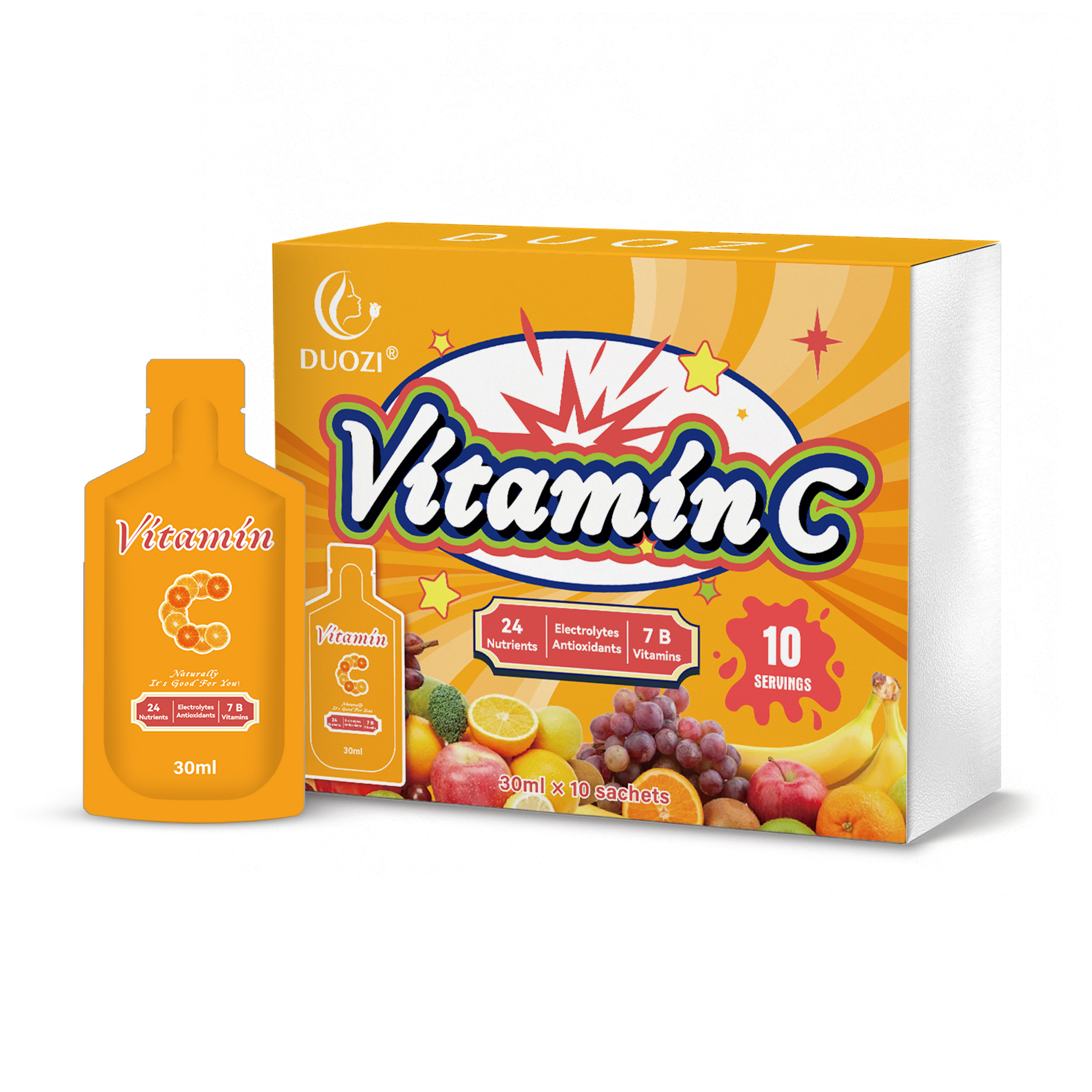
Baseline requirements in this industry are strict and guided by rigorous quality standards. You must verify that the facility holds the appropriate industry registrations. You must demand proof of cGMP or equivalent certifications. These certifications ensure the facility follows strict quality control protocols, maintains proper sanitation records, and executes rigorous batch tracking.
Documentation proves compliance. You must request Certificates of Analysis (COAs) for both raw materials and finished goods. The COA verifies ingredient identity using standardized methods. It confirms the potency matches the label claim. It ensures the absence of unwanted elements, including heavy metals and other impurities.
Top-tier private label dietary supplement manufacturers manage supplier vetting rigorously. They do not buy the cheapest ingredients available on the spot market. They audit their raw material suppliers. They conduct strict identity testing on every single barrel that enters their receiving bay. They quarantine materials until the quality control unit signs off on the screening.
Supply chain resilience determines your ability to stay in stock. Ask potential partners how they maintain stock of core ingredients during global supply chain disruptions. A reliable manufacturer holds adequate safety stock of critical components like whey protein, vitamin C, or standard botanical extracts. If they rely on just-in-time inventory and a shipping lane closes, your product goes out of stock for months.
Consumers judge the quality of the formula by the quality of the physical packaging. Assess whether the manufacturer offers pre-designed, turnkey stock branding or facilitates fully custom packaging solutions. Do they have in-house label application lines that can handle full-wrap shrink sleeves? Can they run induction sealers for tamper evidence?
Premium packaging elevates the perceived value of a stock formula. A standard private label product looks entirely custom when paired with high-end labels. Consider using soft-touch matte finishes, spot UV gloss, or metallic foils. Explore unique bottle shapes like square PET packers instead of standard round HDPE bottles. Invest in custom colored lids. These physical details differentiate your product on crowded digital shelves.
The most effective growth strategy is often a hybrid approach. You start with private label products to build an audience and generate consistent cash flow. You learn exactly what your customers want through direct feedback. Then, you transition to custom formulations with the same partner using the capital you generated from the initial stock sales.
Evaluate your partner's capabilities to support this transition. Assessing if a manufacturer has the in-house teams necessary to support a brand's evolution from stock to custom is mandatory. A facility that only runs basic private label capsules cannot support your eventual transition into complex custom hydration powders or liquid formulas. Choose a partner with a broad equipment list and a dedicated formulation lab.
The primary risk of private label is competing purely on price in a saturated market with identical formulas. If your pre-workout powder has the exact same ingredient profile as fifty other brands on the market, consumers will simply sort by the lowest price. You cannot build a sustainable business on razor-thin margins in a race to the bottom.
You must differentiate through superior custom branding, unique bundling, targeted marketing, and exceptional customer education. Bundle a private label evening relaxation capsule with a digital wellness course. Market a standard collagen powder specifically to targeted demographic groups rather than the general fitness crowd. Your brand story, your customer service, and your community positioning become the actual differentiators when the physical formula is stock.
Custom manufacturing presents numerous physical considerations on the factory floor. Flavoring adjustments are incredibly common, especially in gummies and liquids where botanical extracts can be challenging to balance with standard sweeteners. Ingredient interactions can affect key elements before the product even ships. Hygroscopic ingredients pull moisture from the air, causing unexpected clumping in the bottle and affecting the consumer experience.
Budgeting for multiple pilot runs is mandatory. Work with custom supplement manufacturers who employ dedicated formulation experts rather than relying solely on the manufacturer's sales reps for technical advice. Conduct rigorous stability testing in environmental chambers set to 40 degrees Celsius and 75% relative humidity. This accelerated testing simulates long-term shelf life and reveals formulation issues before you order 10,000 units.
Establish strict criteria for pilot testing before signing a master supply agreement. Negotiate smaller initial runs for custom formulas to test market viability before committing to massive MOQs. A pilot run of 500 units allows you to test the physical blending process, verify the flavor profile, and send samples to key influencers without risking massive capital.
Audit communication and transparency during the quoting and formulation phase. Watch for red flags. Refusal to disclose exact raw material origins is a warning sign. Vague timeline estimates indicate poor operational control on the production floor. Partner with reliable private label supplement manufacturers who offer clear, transparent pilot programs, documented batch records, and direct access to their quality control team.
Audit your current capital reserves and desired launch timeline to determine if your business can sustain the 12-to-24-week lead time required for custom manufacturing.
Request physical stock samples and finished product COAs from at least three different facilities to evaluate baseline manufacturing quality and flavoring capabilities.
Draft and execute a clear Non-Disclosure Agreement (NDA) and formulation ownership contract before discussing any proprietary ingredient ratios with a facility.
Launch a single, focused product to test market demand and supply chain reliability before expanding into complex, multi-ingredient product lines.
Yes. Many brands start with stock formulas to build an audience and generate cash flow. They then transition to custom blends once order volumes justify the formulation investment, pilot testing fees, and higher MOQs required for proprietary production runs.
No. The manufacturer retains ownership of their stock formulas and master manufacturing records. You own your brand name, logo, and packaging design, but you cannot take the exact formula to another facility to be replicated.
Accelerated stability testing typically takes 90 to 120 days in specialized environmental chambers. Real-time stability testing runs concurrently and lasts for the duration of the product's intended shelf life, often spanning 12 to 24 months.
Custom runs require specific raw material procurement, extensive line changeovers, and precise machine calibration. Manufacturers enforce higher MOQs to offset these operational setup costs, cover the labor of cleaning large blenders, and achieve production efficiency.
A COA is a document issued by a quality assurance department or third-party lab. It confirms that a product meets its specification, verifying ingredient identity, testing for exact potency, and ensuring the absence of heavy metals and other contaminants.
Yes. Liquids require precise pH balancing, advanced screening, and complex flavoring systems to balance key ingredients. They generally demand more development time, specialized equipment, and stricter stability protocols than standard dry capsules.


